FDA’s Big 2026 Peptide Shake-Up: 12 Popular Peptides Just Got a Major Status Change – What It Means for You
Imagine this: You’ve been hearing incredible stories about BPC-157 healing stubborn injuries, TB-500 speeding up recovery, GHK-Cu making skin look years younger, and Semax or MOTS-C giving people sharper focus and better energy. Then suddenly, in 2023, the FDA slapped many of these on their “Category 2” list – basically saying “too risky for compounding pharmacies to make.”
People panicked. Supplies got sketchy. The gray market exploded.
But fast-forward to April 2026… and boom – everything just shifted again.
The FDA is removing 12 popular peptides from Category 2. This is one of the biggest regulatory moves in the peptide world in years, and it could make safer, higher-quality access possible for many users.
Let’s break it down simply – no jargon overload.
What Is FDA Category 2 Anyway?
Think of the FDA’s bulk drug substances list like a traffic light for compounding pharmacies (the special pharmacies that mix custom medications):
- Category 1 = Green light – pharmacies can legally compound them under strict rules.
- Category 2 = Red light – “significant safety concerns,” so compounding is restricted or risky for pharmacies.
In 2023, peptides like BPC-157, TB-500, GHK-Cu (injectable), Semax, MOTS-C, Epitalon, and others landed in Category 2 because of worries about impurities, how stable they are, and limited human safety data.
That made it much harder (and sometimes illegal) for legit compounding pharmacies to produce them. Many users ended up in uncertain territory.
The 2026 Big Turn – What Just Happened?
In mid-April 2026, the FDA announced they are removing 12 peptides from Category 2 (effective around April 22, 2026, after the required notice period).
The main ones affected include:
- BPC-157
- TB-500 (Thymosin Beta-4 fragment)
- MOTS-C
- Semax
- Epitalon
- GHK-Cu (injectable form)
- KPV
- DSIP (Emideltide)
- And several others like LL-37, Dihexa, Melanotan II, PEG-MGF (in different groups)
Why the change? Many of the original nominations that put them in Category 2 were withdrawn by the nominators themselves. The FDA is now giving these peptides a fresh look instead of an automatic ban.
Even better: The FDA has scheduled Pharmacy Compounding Advisory Committee (PCAC) meetings – one in July 2026 for the first group (including BPC-157, TB-500, MOTS-C, KPV, etc.) and another in early 2027 for the rest.
This means experts will publicly debate whether these peptides should move to the official 503A bulks list (making compounding clearly legal again under doctor supervision).
What Does This Mean for Compounding Pharmacies?
Huge relief for reputable compounding pharmacies.
Previously, putting these peptides in Category 2 created legal risk – pharmacies could face FDA action if they compounded them. Now that they’re coming off the “high-risk” list, ethical pharmacies can breathe easier and potentially resume production once the PCAC reviews are done.
But here’s the key point: This is NOT full FDA approval. These peptides are still unapproved drugs for most uses. They won’t suddenly become over-the-counter miracles. Access will still require a prescription from a licensed doctor, and only through compliant 503A or 503B pharmacies.
Practical Advice for Peptide Users – Stay Safe in 2026
This shift is exciting, but it doesn’t mean “anything goes.” Here’s what smart users should do right now:
- Work with a doctor – Never self-experiment. A qualified healthcare provider can assess if a peptide fits your goals and monitor you properly.
- Choose quality sources – Stick to licensed compounding pharmacies that follow strict USP standards and provide third-party testing (COA – Certificate of Analysis).
- Understand the timeline – Removal from Category 2 is happening now, but full compounding clarity may take months after the July 2026 and 2027 meetings.
- Watch for impurities -The original FDA concerns were real: peptides can be tricky to manufacture cleanly. Always demand transparency on purity (>98% is standard for research-grade).
- Research the science – Animal studies on BPC-157 for gut and tendon healing look promising. MOTS-C shows exciting metabolic effects. But large human trials are still limited – approach with eyes wide open.
The aha moment? This 2026 update shows the peptide space is maturing. Instead of blanket restrictions, we’re moving toward case-by-case evaluation based on real data. That’s progress for people who want to use these tools responsibly.
The Bottom Line: More Clarity = Potentially Safer Access
Whether you’re into recovery, longevity, cognitive support, or metabolic health, this FDA move could open doors to more reliable peptide options in the coming months.
But safety always comes first. In a fast-moving field full of hype, having trustworthy information and quality suppliers makes all the difference.
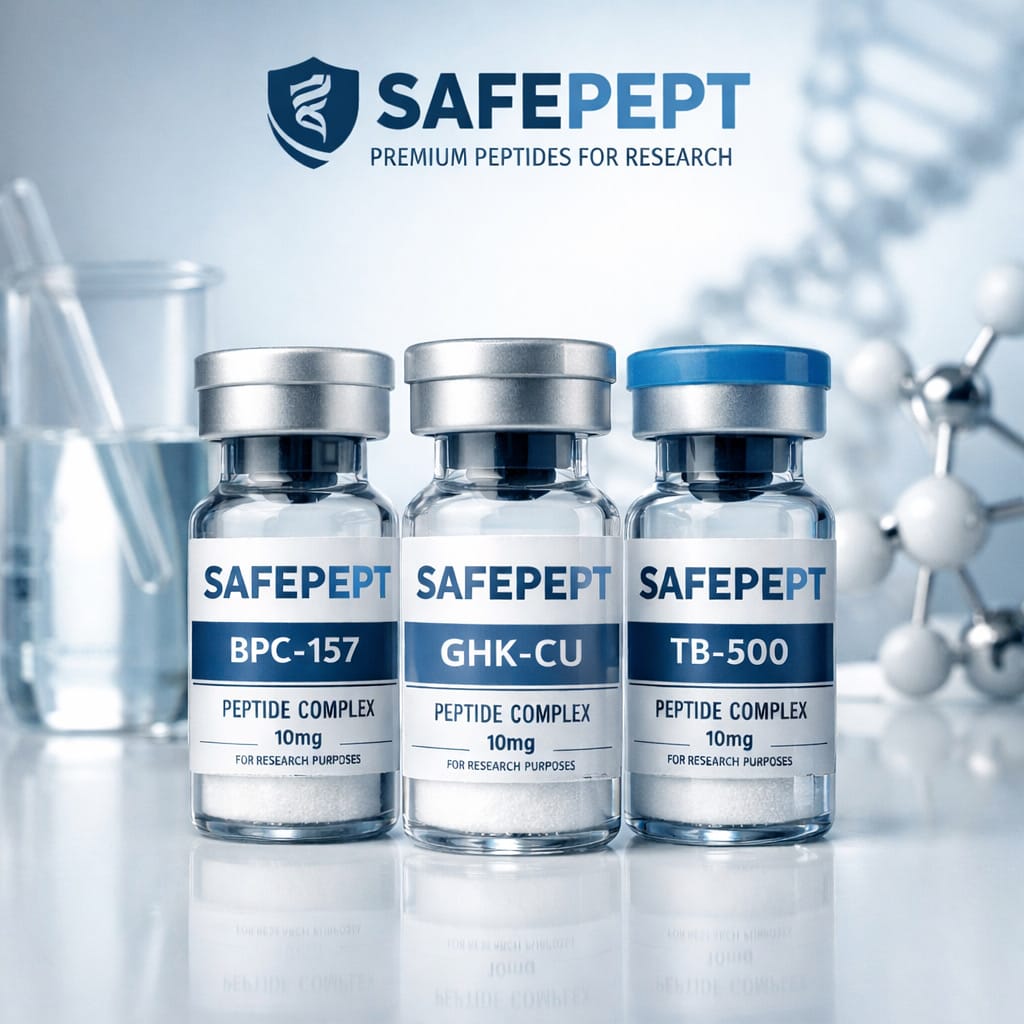
If you’re looking for safe, high-quality peptides with proper testing and guidance, check out safepept.com – your go-to resource for responsible peptide use, education, and vetted options.
Have you been following the FDA peptide updates? What’s your biggest question about BPC-157, TB-500, or the others? Drop a comment below – I read every one and we’ll dive deeper in future posts.
Stay informed, stay safe, and here’s to smarter peptide journeys in 2026!